
Genetically Modified Organism or GMO is the term used to define a product that is genetically engineered through agricultural research and development. The purpose of such research is to minimize pre and post-harvest loss of food. Such loss can be quite substantial. For example, in India, if the post-harvest loss of food could be prevented, it would feed one third of India’s poor. Further, 36% of rice and 34% of wheat is lost each year in India due to poor storage and handling. Most of the loss occurs due to pests such asbirds, insects and rodents. Thus, GMO food grains are designed to minimize such loss by increasing anti-nutrients so that it is resistant or unappetizing to the pests.
But are the GMO foods harming humans? Yes – in two ways. First it is making small scale farming impossible because the GMO grains are patented and expensive for farmers. This is one of the reasons for an increase in framer suicides worldwide on account of increasing debt. In India alone, almost 300,000 farmers have committed suicide since 1995. A country like India where a significant portion of the GDP is based on agriculture, this trend can spell disaster for the future food security.
Second, GMO foods are allegedly causing diseases in humans. This is due to a higher concentration of antinutrients. The antinutrients of interest are lectin, polyphenols, phytic acids, gluten, tannins and oxalates. While these are naturally present in the foods we eat, they are higher in GMO foods, and hence causing problems.
Lectin is contained in most food grains such as wheat, oats, corn, barley, most legumes [daals], dairy products, eggs, chicken and meat. It is absorbed by the human gut and invokes the production of antibodies. It inhibits plasma membrane repair possibly resulting in longer healing periods. It also triggers auto-immune diseases. A lectin specific to wheat called amylopectin acts as a trigger for the production of bad cholesterol [LDL] which is known to be toxic to the lining of blood vessels. According to the British Medical Journal published in 1999, lectin is reportedly linked to gas, bloating and indigestion; dementia and Alzheimer’s, arthritis, asthma, atherosclerosis [hardening of arteries], heart disease, fibromyalgia, irritable bowel disease, autoimmune diseases such as lupus, multiple sclerosis, schizophrenia, osteoporosis, and cancer. Excess consumption of polyphenols [found in tea and coffee], phytic acids [found in grains and nuts] and gluten [found in grains] can prevent absorption of iron, phosphorus, calcium, magnesium and vitamin B1. These antinutrients also inhibit digestion causing, gas bloating and indigestion. Gluten is also known to cause brain fog and poor concentration. Tannins [found in fruits and vegetables] inhibit protein bio-availability; and oxalates [found in leafy vegetables] predispose to kidney stones, fibromyalgia, depression, arthritis, autism, and cause gas, bloating and indigestion.
How can humans deal with the higher antinutrients in GMO foods? First, is to choose non-GMO foods. These are available in most super markets. But, in the event none is available, certain age-old cooking methods should be adopted.
- Soaking the grains, especially the whole grain legumes [saabutdaals] overnight with a little baking soda in the water. This alkaline water leaches the lectin. Throw the water, wash and then boilthe grain in a safe pressure cooker.
- Fermenting has been practiced in India for centuries. Idly, dosai, dhokla, handwa and naan are all fermented before cooking. This destroys the lectin. Do not take short cuts and avoid instant products that contain high quantities of baking soda for soft and fluffy texture, and tartaric acid to create the sour taste.
- Sprouting of whole grains leaches the lectin. It enhances the bio-availability of other nutrients, especially Vit B12.
- Wash and peel fruits. Peel and boil vegetables, and throw water away. This process will also reduce the nutrients, but you can take supplements if need be.
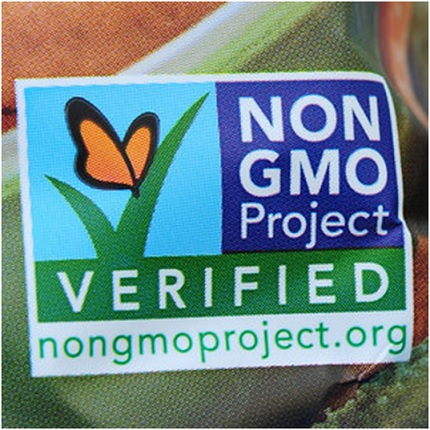
In conclusion, buy organic and non-GMO foods, whenever possible. Read labels of dairy products and choose ones that are from pasture [grass] fed cows. Buy eggs and meat that bear non-GMO label.
In this article the facts on GMO food and their good and bad effects on humanity are presented. The material herein is compiled from the personal investigation by the author into the subject matter in order to share valuable information with the Asian community. The author claims not to be an authority in nutrition or chemistry, nor has any conflict of interest in doing so.