
Everyone experiences losses and gains in their lives. When children loose attachments in their lives, it can affect how they demonstrate their needs. Changes in schools can be a loss. We all say that children are like sponges and bounce like balls, but have you really thought about how a child feels when they need to change schools? When students change their school environment, many unsettling feelings may arise that they are not yet equipped to manage. It is up to the parent and teachers to recognize unsettling feeling due to change, which can lead to disruptive behaviors. Keep in mind that a disruptive behavior does not always present itself as lashing out. A disruptive behavior can be that a child is quieter when the child did not normally retreat from their peers, siblings or family. This is a disruption in their normal development.
One of the best ways to ease the transition of schools or class levels is to tour the new space with the child. Allowing a child to create the “Buy In” for the change that is about to occur is paramount to the way they begin their educational next level. Kids, in the same way as adults do, need to know the WIFM (What is In It for me) to a change, process or procedure. After all, it is their life and even though an adult will be making the key decisions for them on school choice, the student needs to feel some level of control over their immediate circumstance. This allows for critical thinking to begin emerging. It allows them to asks questions in a thoughtful ma
er conce
ing the change that is about to occur. This gives them power. We all like and want power in some degree or another. Kids are the same in that way. It is a sense of security. This is ultimately, what parents want for their child; to be safe, secure, strong and healthy in mind, body and spirit. For children to get their needs met and feel good about this in the world of education they will need to know one simple thing. They need to know that change is difficult, but very necessary to grow and achieve their dreams.
With children who have had a loss, there are 4 Cycles of Needs to Attachment. The need, how they express needs, interventions set in place by the teacher, parent of guardian and the space of time for relaxation. When the need is met, this Cycle of Needs repeats. More information on attachments can be found here: https://dcs.az.gov/search/node/attachment
About the writer:
Angela Brooks is an award- wi
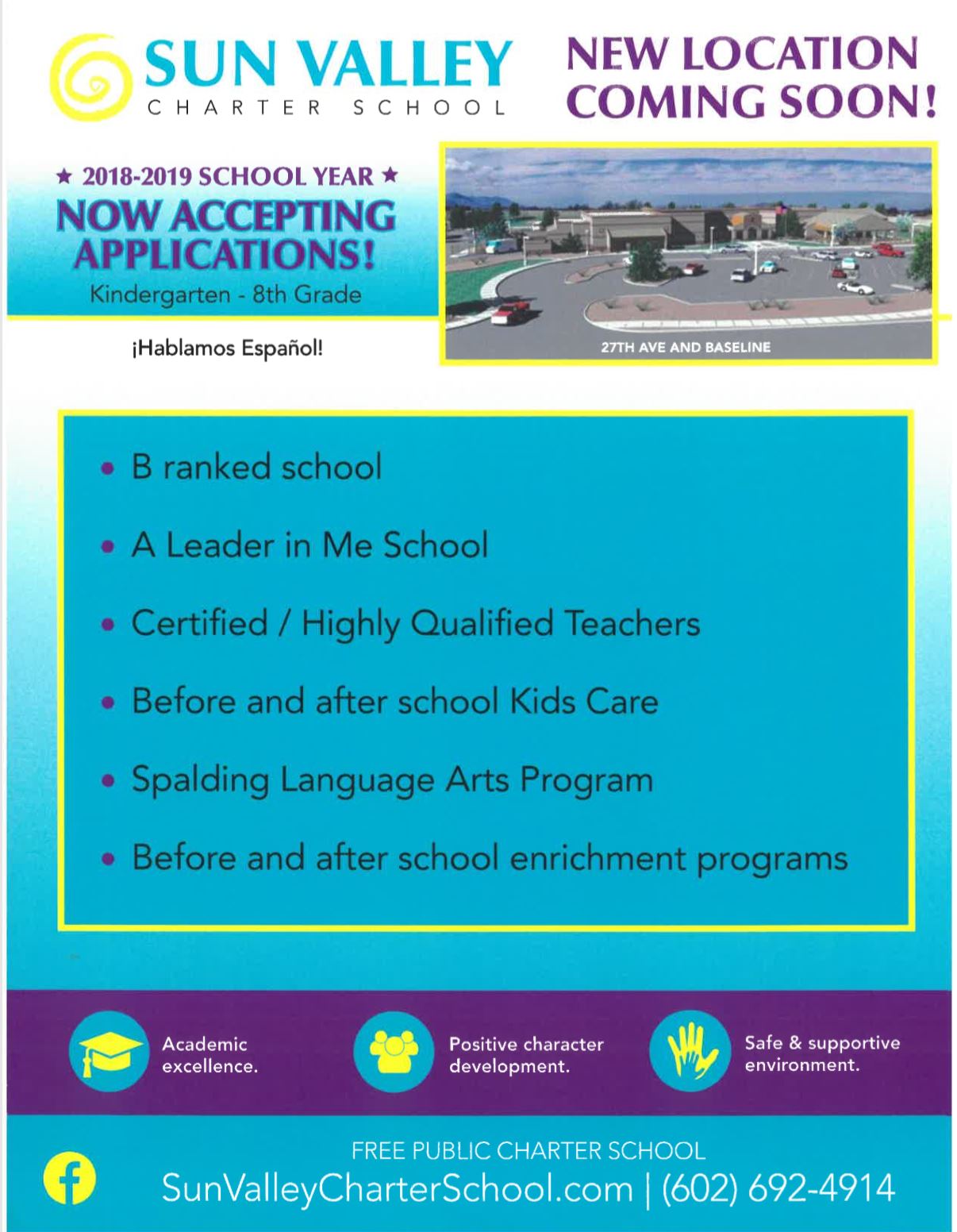
ing businesswoman. She specializes in Human Resources Organizational Development. Mrs. Brooks holds a Bachelor’s and Master’s Degree from Ottawa University. She is an ASU Post Graduate student studying Anthropology. Angela is a DCS certified trainer of Advanced Foster Care and Adoption topics, specifically child behaviors and social development. She holds several roles at Sun Valley Charter School, a leading charter school (www.sunvalleycharterschoo.com) located in the Laveen/ South Mountain area (Phoenix). She is married to George B. Brooks, Jr., PhD. a respected Environmental Scientist and has four daughters, one son in law and two delightful grandsons. To contact Angela send an email to info@lscphx.com.